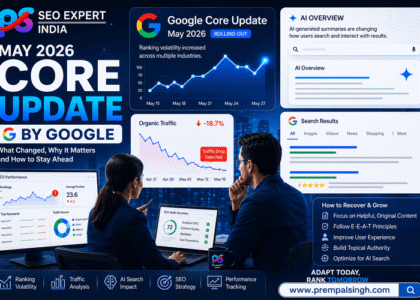

If your website’s Google ranking has taken a hit, it can be frustrating and detrimental to your online presence. However, with a strategic approach and consistent effort, you can recover your ranking and improve your website’s visibility in search engine results pages (SERP). Thinking How to Recover Your Website’s Google Ranking? In this blog, we will discuss the reasons for a drop in ranking and ways to recover the website’s Google ranking.
Why do Keyword Rankings drop?
Keyword rankings are important for measuring a website’s visibility in search engine results pages (SERP). When rankings decline, it can significantly impact your website’s traffic and conversions. Here are some common reasons why keyword rankings might drop:
1. Algorithm Updates:
- Google’s Constant Evolution: Google frequently updates its algorithm to improve search results and provide a better user experience. These updates can sometimes cause fluctuations in rankings.
- Core Updates: Major algorithm updates, often called “core updates,” can significantly impact industry rankings.
- Product Updates: Google introduces new features or updates existing ones, which can affect search results.
Also Read: Google Rolls Out August 2024 Core Update
2. Competitive Landscape:
- Increased Competition: If your competitors improve their SEO efforts or create higher-quality content, it can push your rankings down.
- New Competitors: New websites entering your niche can also impact your rankings.
3. Poor User Experience:
- Slow Page Load Times: A slow website can negatively impact user experience and lead to higher bounce rates, which can affect rankings.
- Mobile Friendliness: If your website is not optimized for mobile devices, it may rank lower in mobile search results.
- Technical Issues: Broken links, errors, and other technical problems can hinder search engine crawlers from indexing your content effectively.
4. Content Quality and Relevance:
- Thin Content: If your content is too short or doesn’t provide sufficient value, it may not rank well.
- Outdated Content: Outdated information can reduce relevance and impact rankings.
- Keyword Stuffing: Overusing keywords in your content can be seen as spam and harm your rankings.
5. Backlink Profile:
- Low-Quality Backlinks: Acquiring backlinks from low-quality or irrelevant websites can negatively impact your rankings.
- Penalty: If Google detects unnatural or spammy backlink profiles, it can impose penalties that significantly lower your rankings.
6. Local SEO Factors:
- NAP Consistency: Inconsistency in your business’s Name, Address, and Phone number across online directories can affect local SEO rankings.
- Google My Business Profile: An incomplete or inaccurate Google My Business profile can hinder local visibility.
7. User Signals:
- Bounce Rate: High bounce rates can indicate that users are not finding your content relevant or engaging, which can negatively impact rankings.
Click-Through Rate (CTR): A low CTR from search results can suggest that your content is not relevant to the search query, leading to lower rankings.
How to Recover Your Website’s Google Ranking?
By using the below-mentioned SEO strategies and consistently monitoring your progress, you can effectively recover your website’s Google ranking and improve its visibility in search results.
Understanding Google’s Ranking Algorithm
Before diving into recovery strategies, it’s essential to understand the key factors that Google considers when ranking websites:
- Relevance:
How closely does your content match the user’s search query?
- Authority:
Does your website have a strong reputation and credibility?
- User Experience:
Is your website easy to navigate, load quickly, and provide a positive user experience?
- Technical SEO:
Are there any technical issues preventing search engines from crawling and indexing your website?
You can implement several strategies to recover and improve your search engine ranking. Here are some key steps:
Google Ranking Recovery Strategies:
- Conduct a Thorough SEO Audit:
- Identify Issues: Use tools like Google Search Console, SEMrush, or Ahrefs to assess your website’s SEO health. Look for issues such as broken links, slow page load times, duplicate content, and poor mobile optimization.
- Prioritize Fixes: Address the most critical issues first to see immediate results.
- Optimize On-Page SEO:
- Keyword Research: Identify relevant keywords that align with your target audience’s search intent.
- Content Optimization: Create high-quality, informative content that incorporates your target keywords naturally.
- Meta Tags: Write compelling title tags and meta descriptions that accurately describe your content and include relevant keywords.
- Header Tags: Use header tags (H1, H2, etc.) to structure your content and make it easier for search engines to understand.
- Image Optimization: Optimize images with descriptive file names and alt text.
- Enhance Technical SEO:
- Page Speed: Improve your website’s loading speed by optimizing images, reducing code, and using a fast web host.
- Mobile Friendliness: Ensure your website is fully responsive and optimized for mobile devices.
- XML Sitemap: Create an XML sitemap to help search engines index your website’s pages.
- Robots.txt: Use a robots.txt file to instruct search engines which pages to crawl and which to avoid.
- Build High-Quality Backlinks:
- Create Valuable Content: Produce high-quality content that others will want to link to.
- Outreach: Reach out to other websites in your industry and ask for backlinks.
- Guest Posting: Contribute guest posts to other relevant websites.
- Broken Link Building: Find broken links on other websites and offer to replace them with links to your content.
- Monitor and Analyze:
- Google Search Console: Use Google Search Console to track your website’s performance, identify issues, and submit sitemaps.
- 6. Analytics Tools:
Use tools like Google Analytics to track website traffic, user behaviour, and conversion rates.
Remember that improving search engine ranking takes time and effort. Be patient, and consistent, and continually monitor and adjust your SEO strategy based on your website’s performance. Hire an SEO specialist for more help.