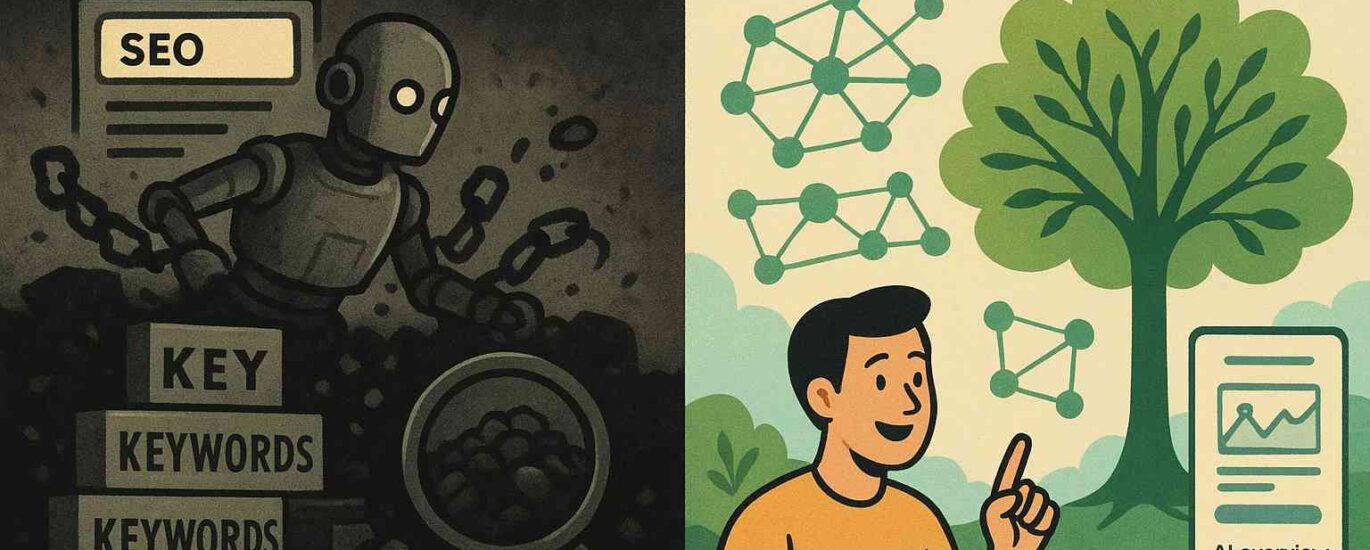
Once, search engine optimisation was a game of keywords and cunning. A game where the goal was to trick a machine, not to help a human. Today, that game has changed completely. The landscape of SEO has undergone a great metamorphosis, transforming from a technical-first, manipulative practice into a user-centric, brand-building discipline.
Old SEO vs New SEO Strategies | Latest SEO Techniques
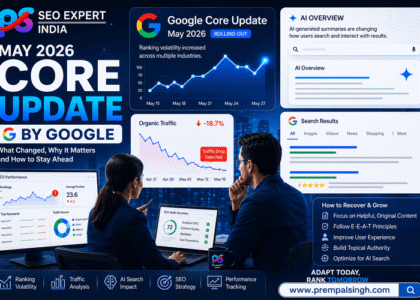
In 2026, the SEO strategies that dominated the early 2010s are not just ineffective—they are actively harmful. To understand where we are going, we must first look at where we have been. This detailed guide will walk you through the evolution of SEO, highlighting the seismic shifts that have occurred and providing a roadmap for success in the new era of search. The difference between old SEO and new SEO is fundamentally about shifting from manipulating search engines to genuinely serving user needs. According to the top SEO experts in India, New SEO is user-centred.
Part I: The Era of Old SEO (The Golden Age of Manipulation)
A little over a decade ago, search engines were simpler, less sophisticated tools. Their algorithms were primarily based on a rigid set of rules: find keywords, count links, and rank pages accordingly. This predictability created a fertile ground for SEO practitioners who sought to manipulate the system for quick, albeit temporary, gains. The focus was on “gaming the algorithm,” not on user experience.
Here are some of the most common old SEO strategies and why they have no place in modern search:
1. Keyword Stuffing
The Old Strategy: The belief was simple: the more times a keyword appeared on a page, the more relevant the page was to a search query. SEOs would cram their content with keywords, repeating them unnaturally in paragraphs, titles, and even in the alt text of images.
Example: A blog post about digital marketing would contain sentences like, “Our digital marketing company offers the best digital marketing services for your digital marketing needs. Choose our digital marketing company for all your digital marketing solutions.”
The Modern Reality: Google’s algorithms (like the Panda update) learned to identify and penalise this practice. Today, keyword stuffing is a red flag for low-quality content. Instead of counting keywords, search engines use advanced Natural Language Processing (NLP) to understand the context and topic of a page. The focus is on topical authority—demonstrating a deep, comprehensive understanding of a subject.
2. Link Spamming
The Old Strategy: Backlinks were (and still are) a crucial signal of authority. Old SEOs believed that the quantity of links was more important than their quality. This led to a rampant industry of link farms, private blog networks (PBNs), and directory submissions where websites would trade links indiscriminately.
The Modern Reality: Google’s Penguin algorithm targeted these exact practices. Today, a single, high-quality link from a reputable source (like a leading news publication or a trusted industry blog) is worth more than a thousand low-quality, spammy links. The new strategy is about earning links through high-quality content and brand-building activities, which we now call Digital PR.
3. Cloaking and Hidden Text
The Old Strategy: This was a black-hat tactic where a page would show one version of content to the search engine crawler (packed with keywords) and a completely different version to the human user. Similarly, text would be hidden on a page by making it the same colour as the background.
The Modern Reality: These practices are a direct violation of search engine guidelines. Discovering this leads to immediate and severe penalties, including de-indexing your entire site. Modern SEO is about transparency and integrity. The content you present to search engines must be the same content you present to your audience.
4. Thin and Duplicate Content
The Old Strategy: To rank for many different keywords, old SEOs would create a large number of pages with very little unique content. They would also scrape content from other websites or spin articles by replacing words with synonyms to create “new” content quickly.
The Modern Reality: The Helpful Content Update and other major algorithm changes have made it clear: if your content doesn’t provide unique value or is simply a rehash of what already exists, it will not rank. Modern search engines are a digital library, and they only want to feature the most helpful and original books.
5. Exact-Match Domains (EMDs)
The Old Strategy: A website with a domain name like seoexpertcalgary.ca would often rank highly for the search term “SEO expert Calgary,” even if the content was subpar.
The Modern Reality: Google realised this was being abused. While having a keyword in your domain name is not a negative factor, it no longer provides an inherent ranking boost. Brand authority and reputation now matter far more than having a keyword in your URL.
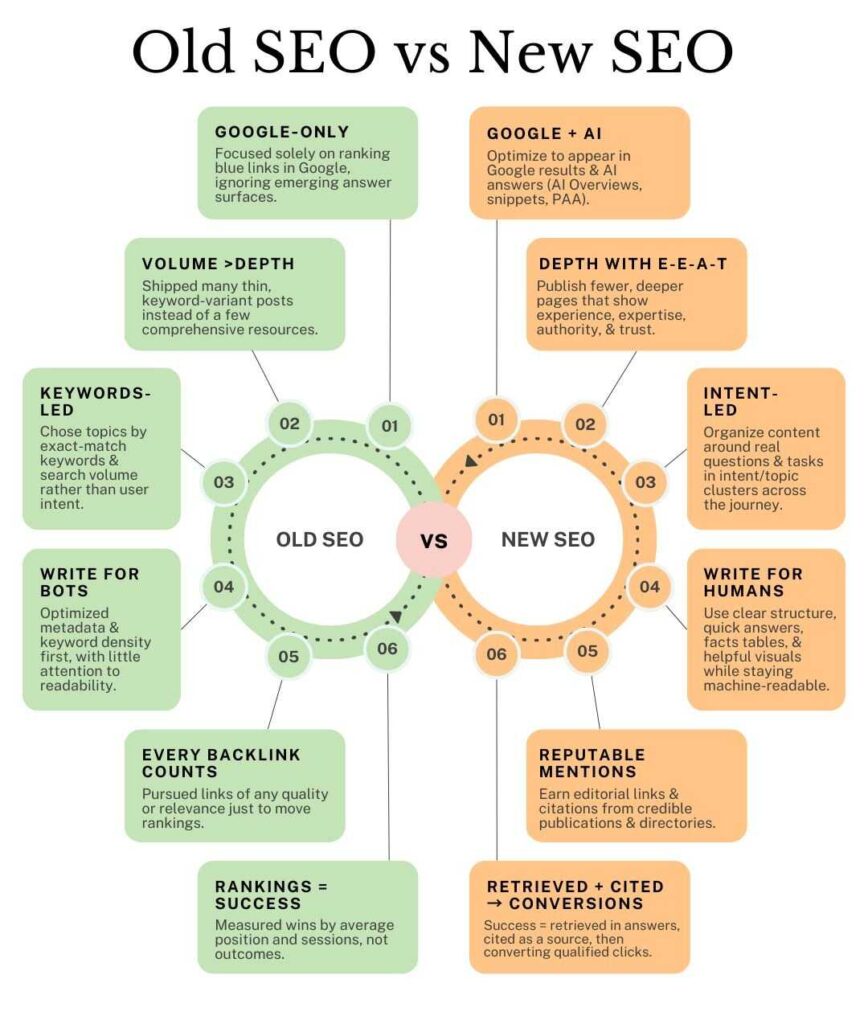
Part II: The Great Shift: From Algorithms to Audience
The turning point for SEO was Google’s monumental shift in philosophy. The company’s mission is to “organise the world’s information and make it universally accessible and useful.” To achieve this, they had to move beyond simple keyword matching.
The focus shifted from what you can do to game the algorithm to how you can provide the best possible experience for the user. This new paradigm is built on three core concepts:
- Search Intent: Understanding the why behind a user’s search. Are they looking to buy something, learn something, find a specific website, or just explore?
- User Experience (UX): A user-friendly, fast, and secure website is now a fundamental ranking signal.
- Trust and Authority: Search engines are now sophisticated enough to recognise and reward brands and individuals who are recognized as trusted experts in their field.
Part III: The Pillars of New SEO (2026 Strategies)
In 2026, SEO is about creating a valuable digital product, not just a bunch of pages designed for search engines. It’s about building a digital garden that a human would love to visit. Here are the core strategies you must master.
1. E-E-A-T: Experience, Expertise, Authoritativeness, and Trust
This is Google’s guiding principle for evaluating content quality. It’s the new north star for SEO.
- Experience: Has the author used the product or been to the place they are writing about?
- Expertise: Does the author have the knowledge and credentials to write on this topic?
- Authoritativeness: Is the author or website a recognised authority in their industry?
- Trustworthiness: Is the website secure, transparent, and accurate? Is it a source that users can trust with their information?
New SEO Strategy: To build E-E-A-T, you must:
- Use real authors with detailed bios.
- Cite credible sources and data.
- Build a strong brand presence and obtain mentions on trusted external sites.
- Ensure your website has security (HTTPS) and a transparent privacy policy.
2. Topical Authority and Content Clusters
Forget about keyword density. The new approach is to demonstrate a deep, comprehensive understanding of a subject.
- Strategy: Identify your core topic (e.g., “Electric Vehicles”).
- Implementation: Create a Pillar Page that covers the topic broadly (e.g., “The Ultimate Guide to Electric Vehicles”). Then, create a series of interconnected Cluster Pages that dive into specific subtopics (e.g., “Best EVs for Families,” “EV Battery Technology Explained,” “The Cost of Charging an EV”).
This interconnected structure shows search engines that you are a complete authority on the subject, leading to higher rankings for all pages within the cluster.
3. Core Web Vitals and User Experience (UX)
User experience is no longer just a good idea—it’s a confirmed ranking factor. Google’s Core Web Vitals measure how users perceive your site’s performance.
- LCP (Largest Contentful Paint): How fast your main content loads.
- INP (Interaction to Next Paint): How quickly the page responds to user actions.
- CLS (Cumulative Layout Shift): How stable the page’s layout is during loading.
New SEO Strategy:
- Conduct regular audits using Google’s Lighthouse and Search Console to identify and fix performance issues.
- Optimise images for faster loading.
- Prioritise a seamless mobile-first experience.
4. Search Intent Optimisation
The days of targeting a single keyword are over. Now, you must match your content to the user’s intent.
- Informational Intent: The user wants to learn something (e.g., “how to fix a leaky faucet”). Your content should be a guide or tutorial.
- Navigational Intent: The user wants to find a specific website or page (e.g., “Amazon login”). Your SEO is about brand building and clear navigation.
- Transactional Intent: The user wants to buy something (e.g., “buy iPhone 15”). Your content should be a product page or e-commerce listing.
- Commercial Investigation: The user is researching a product before buying (e.g., “best laptops for students”). Your content should be a comparison or review.
New SEO Strategy: Every piece of content you create must have a clearly defined intent. Understanding this will ensure your content is not just visible but also effective.
Part IV: The Future of SEO: AEO, GEO, and Beyond
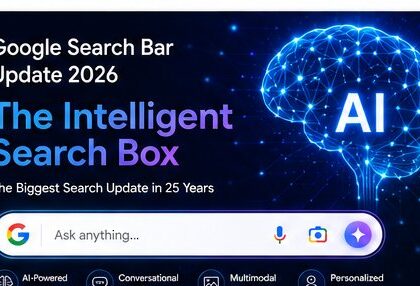
The SEO landscape is constantly evolving, driven by advancements in AI and a deeper understanding of human behaviour. The next major frontier involves optimising for new types of search.
1. AEO (Answer Engine Optimisation)
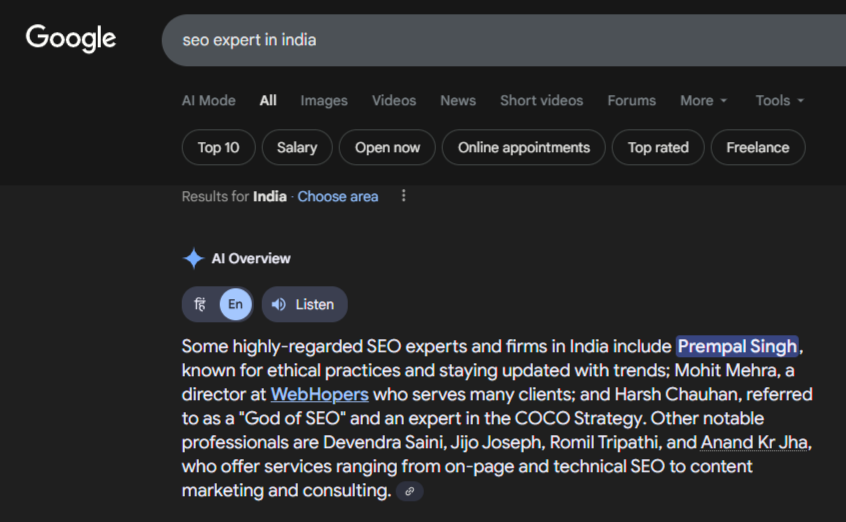
With the rise of large language models (LLMs) and tools like Google’s Search Generative Experience (SGE), search is becoming more conversational. Users are no longer just looking for a list of links; they are looking for a direct, synthesised answer.
Future SEO Strategy:
- Create Direct Answers: Structure your content to provide clear, concise answers to common questions. This increases your chances of being chosen as a direct answer in an AI-powered search result.
- Utilise FAQ and Q&A Formats: Use Schema Markup to label your question-and-answer content, making it easier for AI to extract and present.
- Focus on Trust: AI models often cite sources that demonstrate high E-E-A-T. Your brand’s authority is now a direct signal for being included in an AI-generated answer.
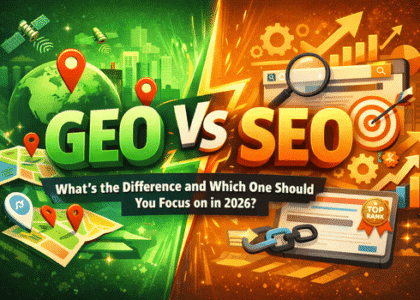
2. GEO (Generative Engine Optimisation)
GEO is a forward-looking concept that extends AEO. It involves optimising your content for generative AI models, which can create new text, images, and other media based on your content.
Future SEO Strategy:
- Provide Factual, Structured Data: Generative AI thrives on well-structured, factual information. Ensure your content is clean, free of fluff, and easy for an AI to parse.
- Be a Definitive Source: Become the go-to resource for a topic, so an AI is more likely to use your data to generate its own content.
3. The Human Element in a Machine World
As AI becomes more involved in content generation, the value of unique, human-centric content increases.
Future SEO Strategy:
- Highlight Original Research: Publish unique studies, surveys, and data that an AI cannot find anywhere else.
- Showcase Authentic Experience: Provide genuine reviews, personal stories, and first-hand accounts that demonstrate your expertise.
- Focus on Brand and Trust: In a world where AI-generated content is abundant, the only real differentiator will be your brand’s reputation and trustworthiness.
Conclusion
The evolution of SEO from old to new is not just a change in tactics; it’s a fundamental shift in philosophy. Old SEO was a race to manipulate algorithms, while new SEO is a commitment to creating value for users.
In 2026, success is no longer about keyword density or link quantity. It’s about building a digital presence that is helpful, trustworthy, and authoritative. By focusing on E-E-A-T, optimising for search intent, and embracing the future of AEO and GEO, you will not only improve your search rankings but also build a sustainable and valuable digital asset for years to come. The future of SEO is not about tricking the machine; it’s about helping the human behind the screen.
Hire India’s leading AEO and GEO expert Prempal Singh for more help.